

Drywood Termite Treatment: Methods and Costs in Mesa, AZ
Drywood termite treatment is any method that kills a termite colony living inside dry wood, such as attic framing, eaves, window frames, and furniture, with no tie to the soil. In Mesa, that means either localized treatment for a few reachable colonies or whole-structure fumigation, often called tenting, when the infestation is widespread or hidden. Published Mesa ranges run from about $188 to $1,450 for localized work and about $1,200 to $1,500 for fumigating a home of 30,000 to 35,000 cubic feet.
This guide explains why drywood termites are a problem for Valley homes, how treatment works from inspection to follow-up, what each method costs, and how to pick a company you can trust. It also works through a cost example for a 2,000 square foot house, so you can read a quote with confidence.
Polite Pest Co. is a family-owned pest control company in Mesa with more than a decade of experience. We inspect homes in Mesa, Chandler, Gilbert, Queen Creek, Phoenix, and Scottsdale, so everything below is written to help you judge any quote you get, ours included.
Why drywood termite treatment matters in Mesa
Drywood termite treatment matters because these termites live entirely inside the wood of your home, so a colony keeps eating and spreading until someone reaches it directly. Nothing about Arizona's dry climate stops them.
How drywood termites get into a house
Yes, drywood termites can infest a house , and they do not need much to start. Winged reproductives fly in the warm months, land on dry wood, and squeeze into cracks, vent screens, eaves, and gaps around fascia boards . They need no soil contact and very little moisture. Subterranean termites are the more familiar pest in the Valley, but drywood colonies do turn up in local homes.
A single colony grows slowly, which tempts people to wait. The risk is that a house can hold more than one colony , and the wood being eaten is structural: rafters, trusses, and window and door frames. The longer you wait, the more areas a treatment has to cover.
A drywood colony never touches the soil, so a treatment around your foundation will not reach it.
Signs you may have an infestation
Drywood termites leave evidence that is easy to miss until you know what it looks like.
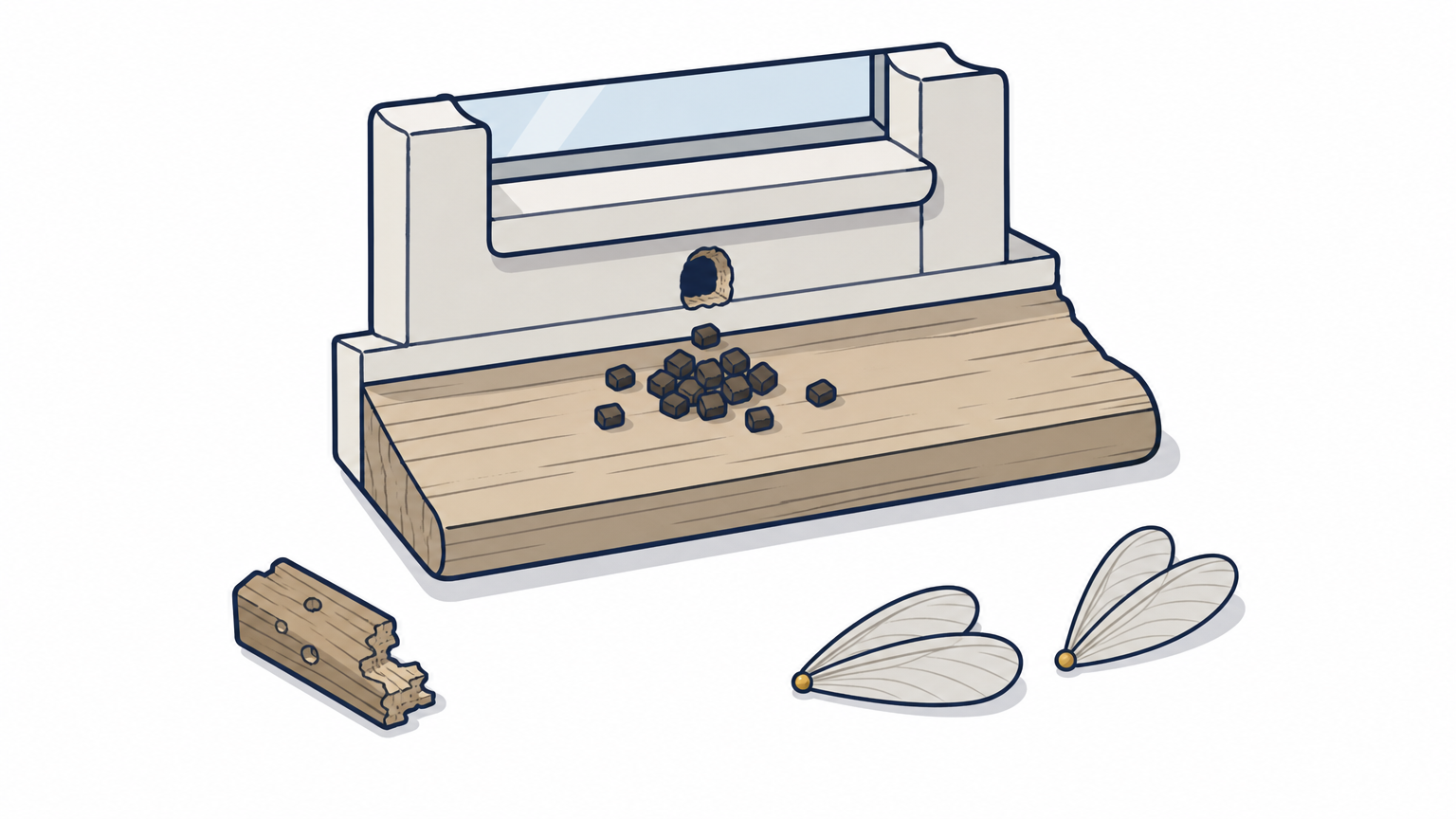
- Frass: hard, six-sided pellets that look like sand or coffee grounds, piled under tiny "kick-out" holes in the wood.
- Discarded wings: small, paired, translucent wings on windowsills or near light fixtures after a swarm.
- Damaged wood: blistered paint, a papery surface, or a hollow sound when you tap a beam or frame.
If you see any of these, skip the store-bought spray. A surface spray rarely reaches the colony, and it can hide the evidence an inspector needs to find the real extent of the problem.
How to treat drywood termites: methods and steps
Treating drywood termites takes three moves: confirm the species with an inspection, match the method to how far the infestation has spread, and prepare the home for the work.
Step 1: Get an inspection that names the termite
Start with an inspection that identifies the species , because drywood and subterranean termites need different treatments. A good inspector checks the attic, eaves, fascia, window frames, garage, and other structural wood, and notes where frass is falling. Our termite inspections cover foundations, crawl spaces, structural wood, and common entry points, and we recommend treatment if we find damage. Ask for the findings in writing so every quote you collect is based on the same facts.
Step 2: Match the method to the infestation
Three methods are in regular use. This table sets them side by side.
| Method | Best for | Time on site | Protection afterward |
|---|---|---|---|
| Localized treatment | A few accessible, isolated colonies | Hours to a day | Limited to treated wood |
| Fumigation (tenting) | Widespread or hidden infestations | Usually 2 to 3 days out of the home | None once the gas clears |
| Heat treatment | Whole structure or sections | About a day | None |
Fumigation is the most effective option for a widespread infestation, because the gas moves through the entire structure and reaches colonies nobody has found. Localized treatment injects liquid, foam, or dust into the galleries. It costs less and suits a small, reachable problem, but it can miss a colony you cannot see.
Heat raises the wood to roughly 120°F and holds it there. It avoids chemicals, but it needs specialized equipment, so fewer companies offer it. Bait stations and soil barriers target subterranean termites, so they are not a drywood solution on their own.
Fumigation reaches every colony in the house, while spot treatment reaches only the ones someone found.
Step 3: Prepare and follow up
Your provider gives you a preparation checklist, and you should follow it exactly. For fumigation it usually includes:
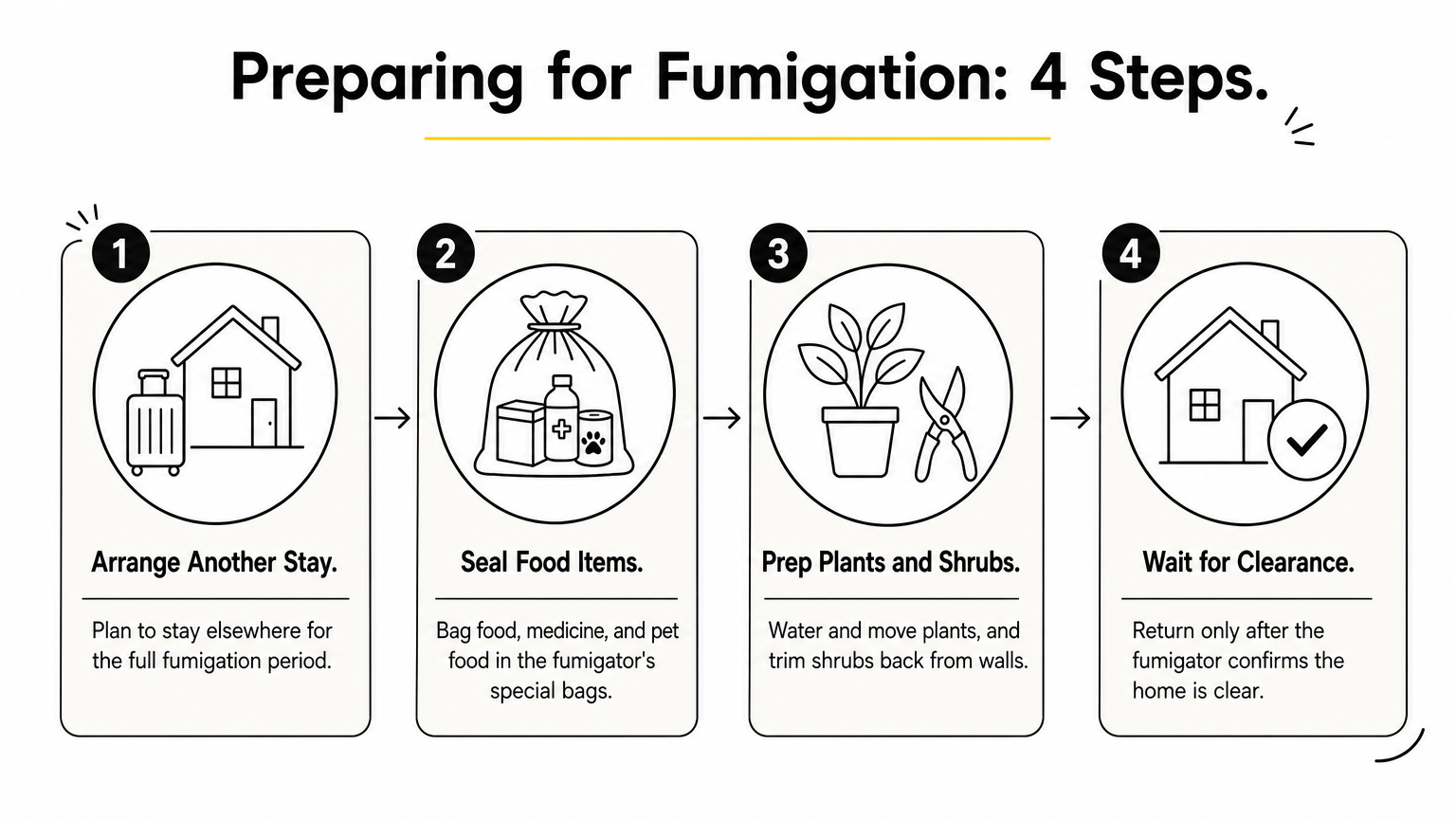
- Arrange to stay elsewhere for the full period.
- Seal food, medicine, and pet food in the special bags the fumigator supplies.
- Water and move plants, and trim shrubs back from the walls.
- Return only after the fumigator confirms the home is clear.
Afterward, schedule a re-inspection within a year and seal the gaps that let the termites in. Screening vents and painting exposed wood closes the easiest entry points.
What drywood termite treatment costs in Mesa
Drywood termite treatment in Mesa runs from roughly $188 to $1,450 for localized work, and about $1,200 to $1,500 for fumigating a 30,000 to 35,000 cubic foot home. These are published local ranges, not quotes, and your price depends on what an inspection finds.
Published price ranges at a glance
| Service | Published Mesa range | What drives it |
|---|---|---|
| Localized drywood treatment | $188 to $1,450 | Number and accessibility of infested areas |
| Fumigation | $1,200 to $1,500 for 30,000 to 35,000 cubic feet | Cubic footage of the structure |
| Termite damage repair | $350 to $791 | Amount of wood to replace |
Repair is a separate line. Killing the termites does not restore the chewed wood.
Worked example: a 2,000 sq ft home
Fumigators price by cubic feet, not square feet . The published range works out to about $0.04 to $0.043 per cubic foot. Suppose the fumigator measures your 2,000 square foot house at 32,000 cubic feet, counting the attic and garage. At those rates, the job comes to about $1,280 to $1,376 .
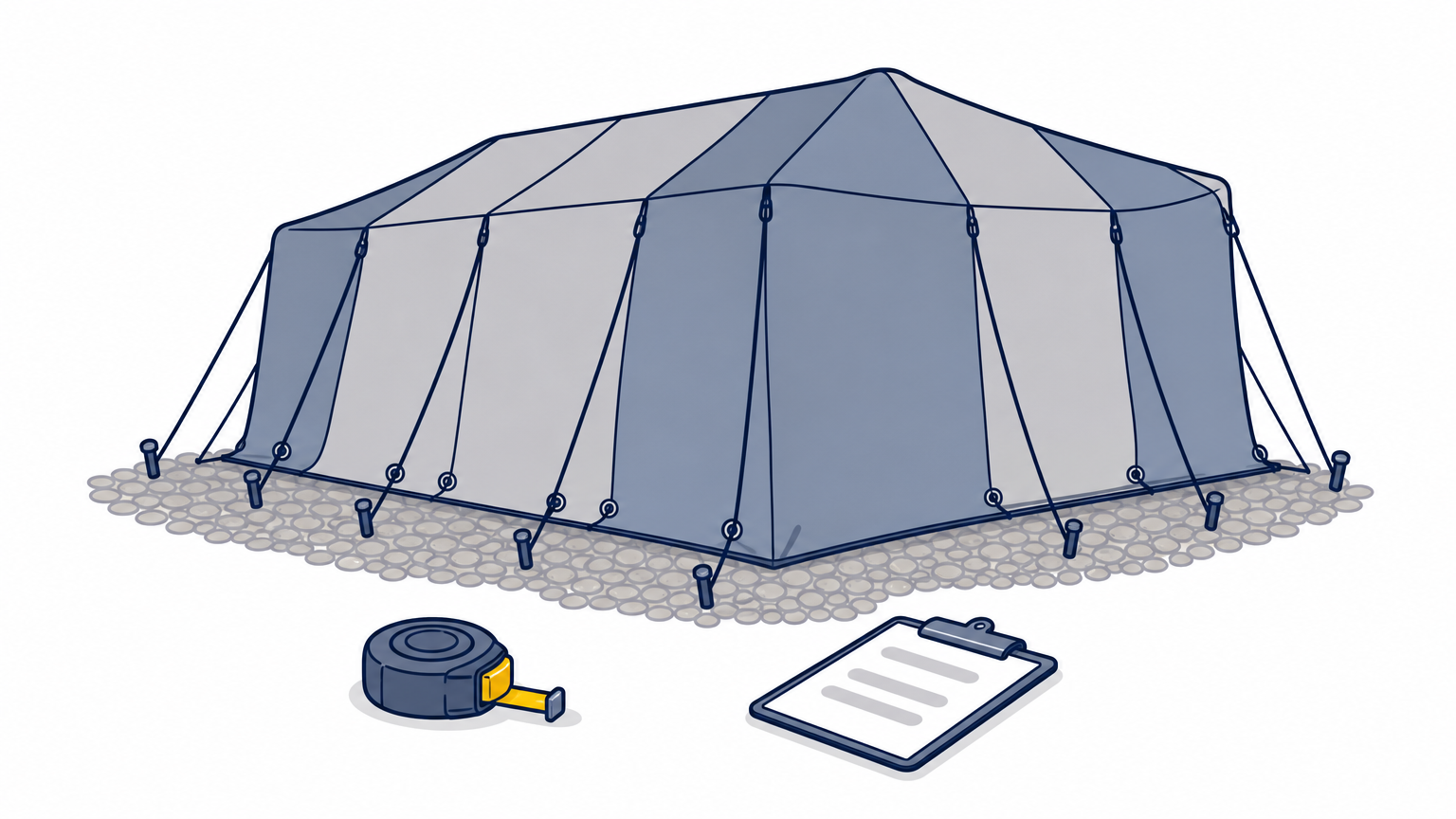
If an inspection finds only two small, reachable colonies instead, localized treatment may land near the lower end of the $188 to $1,450 range. That is why you should not shop for a price before you have an inspection.
What moves your quote
- How many separate areas are infested
- Whether the infested wood is easy to reach
- The measured volume of the structure, including attached garages
- Repairs you want done at the same visit
- Warranty and re-treatment terms
Compare quotes by method and cubic footage, not by the bottom-line number alone.
How to choose a drywood termite treatment company near you
Choose a company that holds a valid Arizona license, names the method it recommends and why, and puts its findings and price in writing.
Questions to ask every company
- Is the company licensed with the Arizona Office of Pest Management, and does that license cover fumigation if you are quoted tenting?
- Did you confirm the species is drywood, and where is the evidence?
- Why this method instead of the alternatives?
- What does the quote include: measured cubic footage, number of areas, and re-treatment terms?
- What does the warranty cover, and for how long?
- Who handles preparation and the all-clear before you move back in?
When you read reviews, look at how the company handled callbacks and problems, not just the star rating. A bargain quote given over the phone , with no one looking at your attic, is a warning sign.
Getting a local inspection from Polite Pest Co.
We are based in Mesa (85205), family-owned, and open Monday to Friday, 8:00AM to 4:00PM . We offer free, no-obligation quotes and serve Mesa, Chandler, Gilbert, Queen Creek, Phoenix, and Scottsdale. You can reach us at (480) 331-5040.
Our termite control combines non-repellent insecticides with baiting stations. For a suspected drywood problem, the inspection findings decide what we recommend .
A written inspection report turns a guess into a quote you can compare.
Your next step with drywood termites
Drywood termites live inside your wood, so the treatment has to reach the wood. Localized treatment fits a few reachable colonies, fumigation fits widespread or hidden ones, and heat is a less common chemical-free choice. Published Mesa ranges give you a sense of cost, but only an inspection tells you which method and which price apply to your home.
If you have found frass, discarded wings, or hollow-sounding wood, do not wait for the damage to spread. Book a termite inspection with Polite Pest Co. to find out which method and price fit your home.