

Termite Treatment Tenting vs. 4 Other Options Compared
Termite treatment tenting is the right call when drywood termites have spread through the wood of your house, because the gas reaches every board in one visit. Expect to pay $3,000 or more and to stay out for about two to three days. For subterranean termites, which are the usual problem in Mesa yards, a non-repellent soil treatment, bait stations, or a mix of both works better and costs less. Small drywood problems found early can often be treated in one spot or with heat.
The trouble is that search results for this topic are a pile of company ads and price ranges, and almost none of them tell you whether you need a tent at all. The answer depends on the termite species, how far the damage has spread, and how long you can be away from your home.
This article ranks five treatment options in the order that matches your search: tenting first, then the four alternatives. Polite Pest Co. is a family-owned pest control company in Mesa. Our termite program is built on non-repellent insecticides and baiting stations, not tenting, so we tell you plainly where each method fits and where it does not.
1. Tent fumigation
How tent fumigation works
A licensed fumigator seals your house under tarps and releases a gas, most often sulfuryl fluoride, that soaks through every piece of wood in the structure. After the exposure period, the crew aerates the house and confirms the air is safe before you move back in. This is what people mean by termite treatment fumigation or a termite treatment tent.
Does it work? Yes, against drywood termites. The gas reaches colonies inside walls, rafters, and furniture that no technician could drill and treat. It is the wrong tool for subterranean termites, which nest in the soil and return once the gas clears.
Tenting kills drywood termites throughout the house at once, but it leaves nothing behind to stop the next colony.
Cost and time out of the house
Tenting is the most expensive and most disruptive option, so it helps to see the numbers together.
| Factor | Typical figure |
|---|---|
| Cost | $3,000 or more for a large infestation |
| Time out of the home | Usually 2 to 3 days |
| Targets | Drywood termites in the whole structure |
| Protection afterward | None, since the gas leaves no residue |
Here is a worked example. Say you own a 2,000 sq ft house and the tent quote is $3,000. If you assume $150 a night for a hotel and three nights away, your real cost is $3,000 plus $450, or $3,450 . Pets, plants, food, and medicine also have to be removed or sealed in special bags, so follow your fumigator's prep sheet exactly.
How long does tenting keep termites away? Because the gas leaves no residue, a new swarm can settle in the next season. Your protection is the warranty, so ask how long it runs and what it covers.
Who it suits
Choose tenting when an inspector finds drywood activity in several rooms, in hard-to-reach framing, or in more places than you can spot treat. Skip it for subterranean termites or a single small patch.
2. Non-repellent liquid soil treatment
How it works
A technician trenches or drills around the foundation and applies a liquid termiticide to the soil. Non-repellent products are the key. Termites cannot detect them, so they walk through the treated zone, carry the product back to the nest, and spread it to nestmates.
This is the core of our own termite control program, paired with bait stations. Technicians work from the outside, so the house itself stays untouched.
A non-repellent soil treatment turns the termites themselves into the delivery system that reaches the colony.
Cost and downtime
HomeGuide puts the cost of a basic exterior termite treatment at $330 to $820 . You stay in your home, and a typical house is usually handled in a single visit. One source estimates a professional treatment lasts five to seven years. Annual inspections still matter, because the barrier can be disturbed by landscaping, new concrete, or plumbing work.
Who it suits
It suits homeowners with subterranean termites . Warning signs are pencil-sized mud tubes on foundation walls or swarmers near windows. It will not reach a drywood colony living in your attic framing.
3. Termite bait stations
How they work
Technicians place in-ground stations around the property. Worker termites find the bait, feed on it, and carry the slow-acting ingredient back to the colony. The colony declines over weeks or months , and the technician checks the stations on a schedule to refill or replace them.
Bait stations work slowly by design, because a termite that dies too fast never reaches the nest.
Cost and downtime
Expect an ongoing cost rather than a one-time fee. Terminix is reported at $400 to $1,500 per year, including an annual inspection, and Orkin at $500 to $1,600 over several visits. Stations typically last about a year before service, and you stay home throughout.
Who it suits
Bait suits people who want no trenching or drilling , such as owners with pools, wells, or tight landscaping near the foundation. It also works as a backup layer. We pair stations with non-repellent termite treatment so one method covers what the other might miss. Bait does nothing for drywood termites.
4. Localized wood treatment
How it works
For a small drywood infestation, a technician drills tiny holes into the affected wood and injects foam, liquid, or dust straight into the galleries. The product hits the colony where it lives , without treating the rest of the structure.
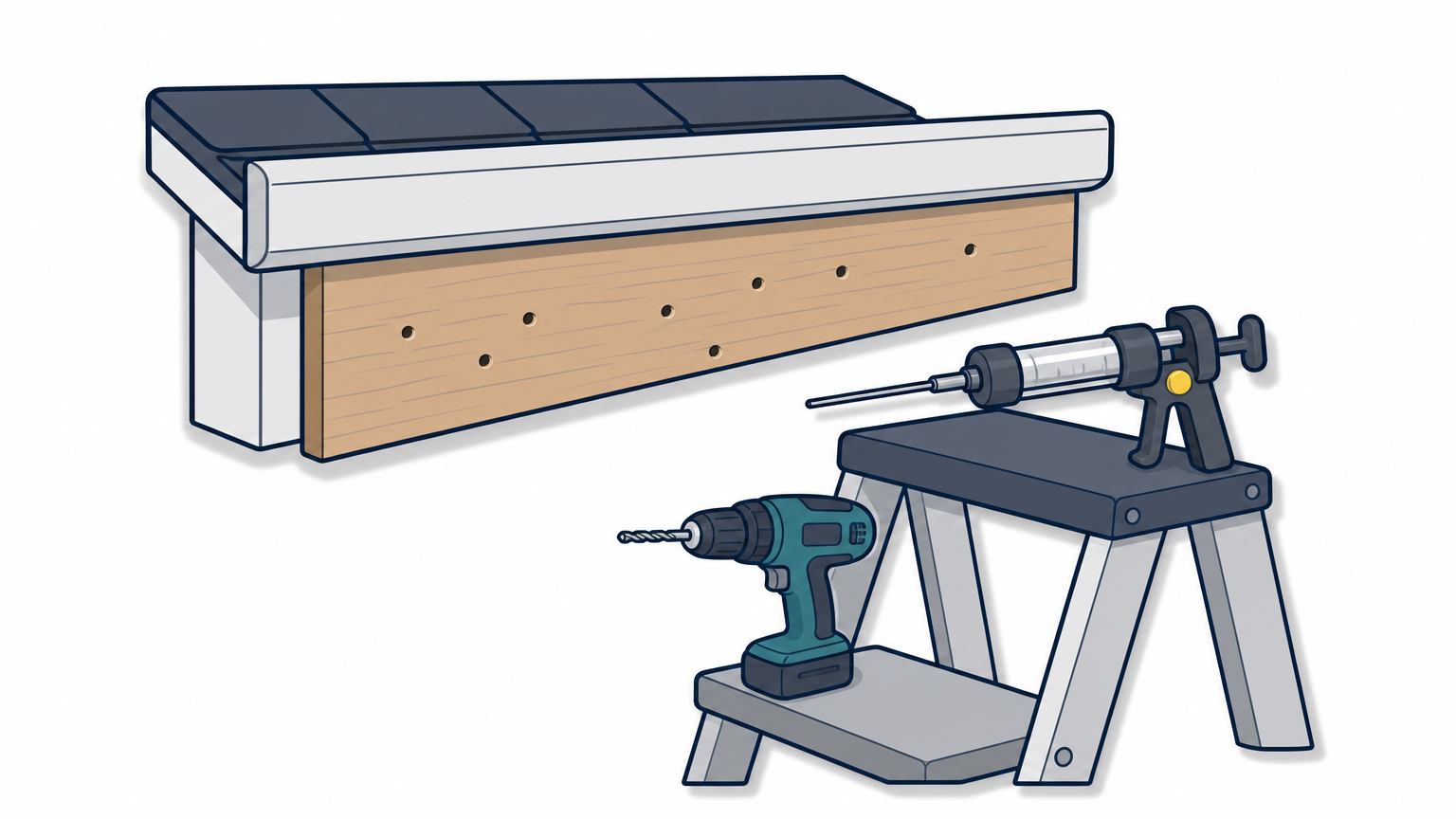
Spot treatment is a precise fix for a small problem and a poor one for a large problem you have not fully mapped.
Cost and downtime
Reported drywood treatment costs run from $188 to $1,450 , depending on the area. One area usually takes 30 to 45 minutes, while larger jobs can take one to three days. You normally stay in the house, though you should ask about pets in treated rooms.
Who it suits
It suits a single, well-defined spot found early, such as one window frame or one section of fascia. Ask for a full inspection first, because pellets in one room can mean hidden activity in the next. If the inspector finds several areas, get a tent quote to compare, and spot treatment may cost you more in the end.
5. Heat treatment
How it works
A crew uses heaters and fans to raise the temperature inside an area or a whole structure until the wood reaches a lethal temperature for termites, then holds it there. Wood-core temperatures around 120°F held for roughly half an hour are the commonly cited target. Like fumigation, it leaves no residue.
Heat kills what it reaches, so its success depends entirely on getting every infested board hot enough.
Cost and downtime
Pricing varies widely with the size of the area, so get written quotes. Jobs often run shorter than a tent job, but ask for the exact time you must be away. Availability in Mesa is limited, and not every company offers it.
Who it suits
It suits owners who want a chemical-free option for a contained drywood problem, such as an attic section or a piece of furniture. It is a weaker choice for subterranean termites, which return from the soil.
Choosing between tenting and the alternatives
Tenting is for widespread drywood termites, and nearly everything else is better handled with soil treatment, bait, spot treatment, or heat. Your first step is an inspection that identifies the species and maps the activity, since that single fact decides which option makes sense. A recommendation made before anyone looks at your house is a sales pitch.
If you live in Mesa, Gilbert, Chandler, or nearby, Polite Pest Co. checks foundations, crawl spaces, structural wood, and common entry points. Our termite inspection service is the place to start, and we will tell you straight what we find.