

Bee Exterminator near Me in Mesa: 6 Ways to Remove Bees
The right bee exterminator near me depends on what the bees are doing. A swarm resting on a branch is often picked up for free by a volunteer beekeeper. A hive inside a wall, an eave, or a block fence needs a professional who removes the comb, not just the bees. In Mesa and the East Valley, that professional can be Polite Pest Co., a local company that offers humane bee removal for homes and businesses.
Most people searching this have bees on the property right now, kids or pets close by, and no clear idea whether to call an exterminator, a beekeeper, or nobody. Prices are rarely posted. The free options come with conditions that nobody explains. And Arizona has Africanized honey bees, which defend a nest harder than the gentle bees most people picture, so a wrong guess carries real risk.
This article walks through six ways to get bees removed in the Phoenix area, free options and paid ones. For each, you get how it works, who it suits, and what it costs. After the list, you get a table that matches your situation to an option, and a plain look at bee removal pricing.
1. Polite Pest Co. for humane hive removal in Mesa
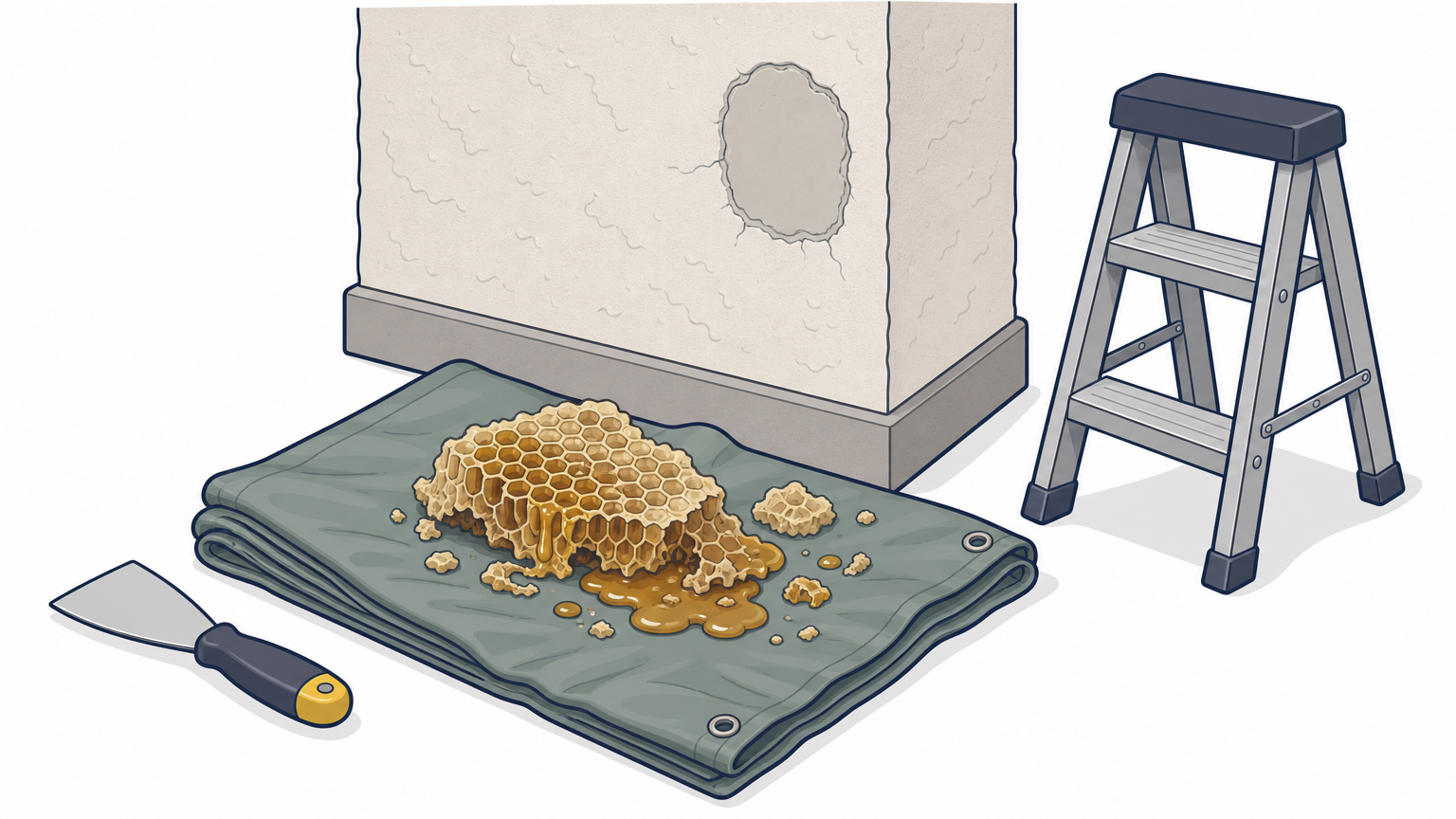
Polite Pest Co. is a family-owned pest control company in Mesa that handles bees through its Bee Control service , which offers safe and humane removal for hives on residential and commercial property. It is the pick when the bees have settled in and you want one local company to deal with them.
How it works
You call (480) 331-5040 Monday to Friday between 8:00 AM and 4:00 PM (the office is closed on Sundays) and describe where the bees are. Polite Pest Co. gives you a free, no-obligation estimate , so you know the number before any work starts. The Bee Control service covers hives in yards and on commercial property across Mesa, Chandler, Gilbert, Queen Creek, Phoenix, and Scottsdale.
Whoever you hire, ask the same questions before you agree to anything:
- What happens to the bees, and is the removal humane?
- Will the comb and honey be removed, or only the bees?
- How will the entry point be closed afterward?
- Is any follow-up visit included in the quote?
A hive is only gone when the comb is gone, so ask what happens to the comb and the bees before you say yes.
Who it suits
Homeowners with an established hive in a tree, a yard structure, or a wall are the core customers. So are business owners who need bees handled discreetly while customers and staff keep coming through the door. Polite Pest Co. is run by Erick Estrada and has more than ten years in the trade, so you are dealing with a small company, not a dispatch line.
It also helps if bees are not your only problem. The same company treats ants, scorpions, rodents, spiders, fleas and ticks, termites, and more, so one call can cover a second pest issue you have been putting off.
What it costs
The estimate is free, and that matters because a bee job has no fixed price. Where the hive sits, how big it is, and how hard it is to reach all change the quote. Ask whether the estimate covers removing the hive, cleaning out the comb, and sealing the opening. If the hive is inside a wall, ask whether you will also need a separate repair by a contractor.
2. Local beekeepers who remove hives alive
A local beekeeper who does live removal is the best fit when you want the colony kept alive and the hive is a honey bee hive in an accessible spot . Expect to pay for it, and expect some beekeepers to turn down aggressive colonies.
How it works
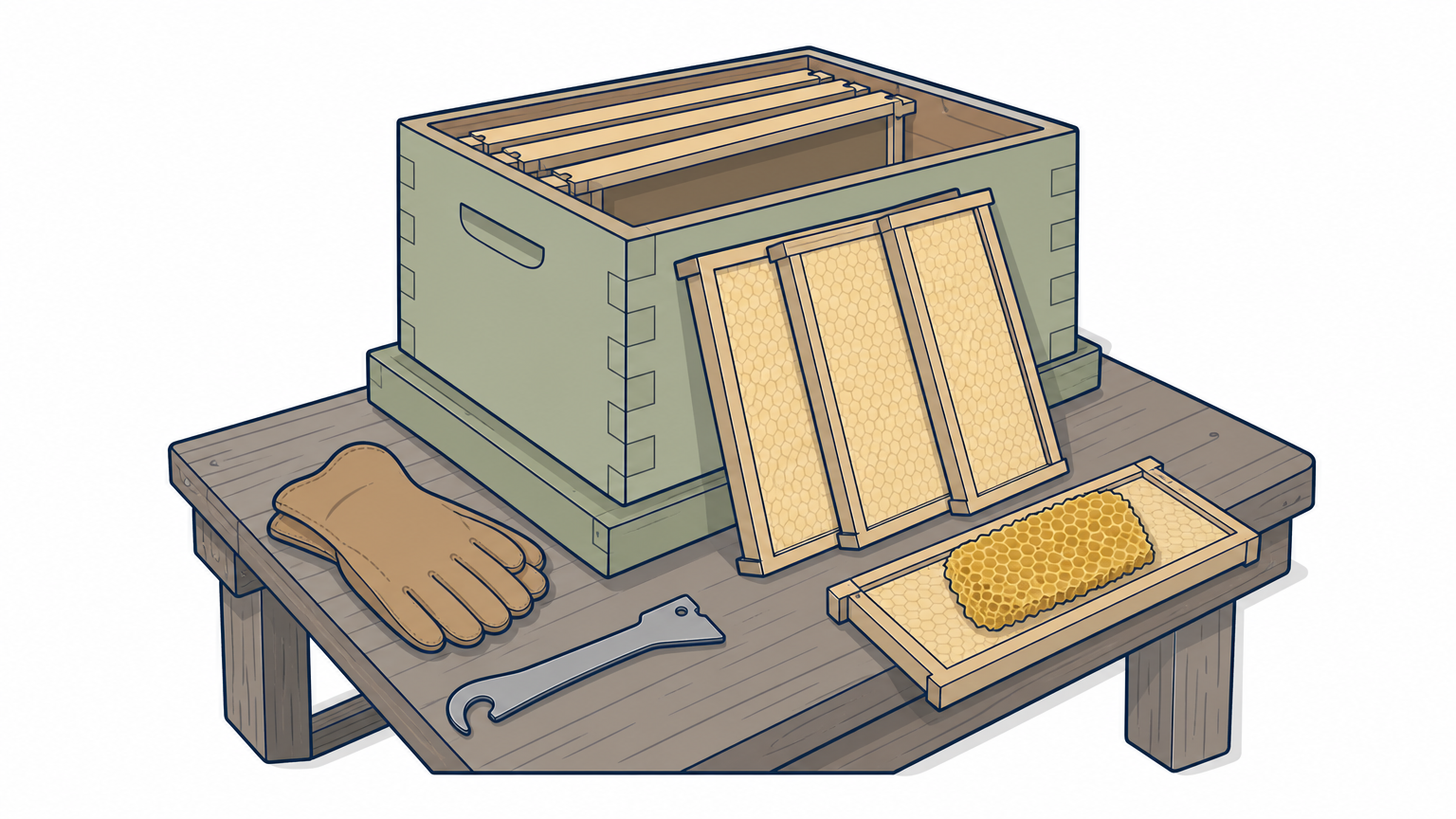
A beekeeper opens the structure or reaches the nest, cuts out the comb , and moves the bees and brood into a hive box. The bees are not sprayed. Pest control companies commonly suggest this route first for honey bee nests, because a beekeeper can judge whether the nest is a good candidate for relocation.
You find these people through beekeeping clubs and association directories in your area. Call two or three, send a photo, and say where the nest is and how high. Photos help them decide quickly whether the job is worth a trip.
Who it suits
This route suits homeowners who care about the bees surviving and whose hive is in a place a person can open up and rebuild, such as a shed, a fence post, or a low eave. It suits you less when the hive is deep inside a finished wall or high on a roof.
Africanized genetics are the main catch in Arizona. Many hobby beekeepers will not take a defensive colony, because the bees are hard to keep and dangerous to handle. If a beekeeper declines, that is a safety call, not a brush-off.
If a beekeeper turns down your hive, treat it as a warning about the colony and move on to a professional, not to a ladder.
What it costs
Live removal is labor, so many beekeepers charge a fee for a cut-out. Others do swarm pickups free and charge only for hives in structures. Ask for the price up front, and ask who closes the opening afterward. Most beekeepers take the bees and the comb, but sealing and wall repair often fall to you.
3. Volunteer swarm pickup through beekeeper groups
Volunteer swarm pickup is the cheapest answer to "who can I call to remove bees for free." It works only for true swarms , meaning a ball of bees hanging in the open with no comb built yet. It does not work for hives inside walls.

How it works
Beekeeping associations and clubs often keep a swarm list of volunteers who collect swarms for free, because a captured swarm is a free colony for them. You contact the group, give your address, and describe the cluster. A volunteer who is nearby and available then comes out, boxes the swarm, and takes it away.
Speed matters. A swarm usually rests for only a short time while scouts look for a permanent home, often a few days at most. Once it moves into a wall or a tree cavity, it stops being a free pickup and becomes a hive removal.
When you call, have these ready:
- Your address and the best cross street
- How high the cluster is and what it hangs on
- A photo taken from a safe distance
- The size, roughly as big as a football or a beach ball
Who it suits
This route suits a homeowner with a swarm on a low, reachable branch , fence, or shrub, and a flexible afternoon. It suits renters too, since there is nothing to repair. It does not suit a swarm 30 feet up a palm or anything that is already entering a structure.
Free swarm pickup works only while the bees are still hanging in the open, so call the day you see them.
What it costs
Usually nothing, though a volunteer may accept a small thank-you. The real cost is reliability. Volunteers have day jobs, may not be free, and may refuse a swarm that looks aggressive or hard to reach. Keep a paid option in your back pocket, and keep people and pets well away from the cluster while you wait.
4. National pest control companies
A national pest control company will usually answer the phone fast and send a technician, which makes it a workable pick for anyone who wants a big-brand option or already has a service plan. The question to settle is whether it kills the bees or removes the hive.
How it works
You call or book online, and a technician inspects the nest, identifies the bees ( bees and wasps are often confused, and each needs a different treatment), and quotes a plan. Some branches treat the nest. Others refer honey bee nests to beekeepers first. Many regions require special licenses to treat infestations, so ask who exactly will do the work.
So, will an exterminator get rid of bees? Yes, but an exterminator who only treats the nest leaves wax and honey behind. Honey left in a wall void can ferment, attract other insects, and stain or damage the surrounding structure. The only way to rid a home of bees for good is to remove the hive entirely.
Who it suits
This route suits people who value a recognized name, want a written service agreement , or need one provider for several properties. It also suits you if you already pay for recurring pest service and want the same company to add a bee visit.
It suits you less if the bees' survival matters to you, since policies on relocation differ by branch and technician. Ask the question directly and get the answer in writing.
Ask every company the same thing: do you remove the hive, or only treat the bees?
What it costs
Pricing comes after a technician sees the nest, so you rarely get a number over the phone. Compare it against the questions in section 1: comb removal, sealing, and follow-up. A cheap quote that covers only a spray can cost more in the end, because the bees or other insects come back to the leftover comb.
5. Online directories and quote marketplaces
Online directories and quote marketplaces are useful for comparing several providers in one sitting, and they are free for the customer to use. They are weak on one thing: they will not tell you whether a company is right for your kind of bees.
How it works
You search a service category, describe the job, and either browse ratings or request quotes. Some platforms let you filter by pest type and property type, then show hire counts and review snippets. Others send your request to several pros and let you compare replies. Platforms like these usually do not do the work themselves, so the quality is whatever the provider delivers.
Two cautions. First, listings sometimes pull in companies from outside your area, so confirm that the provider actually serves your city. Second, a high rating for wasp nests or general pest control does not prove bee skill.
Who it suits
Use a directory when you have no referrals , want three quotes quickly, and are comfortable screening providers yourself. It is a good way to build a shortlist, not a good way to make the final choice.
Screen each candidate with a short call. Ask what share of their bee jobs are removals versus treatments, whether they handle hives inside structures, and what happens to the bees.
What it costs
Using the platform costs you nothing, and quotes come from the providers themselves. Treat the first number as an opening estimate, not a final bill. Ask for the scope in writing, and confirm that the provider holds a current Arizona pest control license with the Arizona Office of Pest Management, the state agency that licenses pest control businesses.
A directory builds your shortlist, but your questions pick the winner.
6. Handling a swarm yourself, safely
The only safe do-it-yourself move with bees is to leave a swarm alone and keep people away until it moves on or help arrives. Spraying, hosing, or sealing up a hive is how a nuisance becomes an emergency.
How it works
A swarm is a cluster of bees with no nest or young to defend, so it is generally less defensive than an established colony. Bees will still sting if provoked. So the plan is simple: bring pets inside, keep children away, close nearby windows if the cluster is near the house, and wait. Many swarms leave within a few days.
Never do these things:
- Spray or hose the cluster, which turns calm bees defensive
- Throw rocks or swing at the swarm
- Plug the entrance of a hive inside a wall, because bees that cannot get out can find a way into the living space through baseboards, outlets, and cracks
- Set off store-bought foggers near a nest
Who it suits
This approach suits one situation: a swarm that is high up and away from doorways , where waiting a day or two costs nothing. It does not suit a colony that has built comb, bees flying in and out of a wall, or anyone with a known bee allergy in the house.
Africanized honey bees are present in Arizona, and you cannot tell them apart by sight. If bees act aggressively when you are 20 or more feet away, go inside and call a professional.
What it costs
The price is zero dollars and a lot of risk if you step beyond waiting. Most stings are only painful, but some people have allergic reactions. Call 911 for trouble breathing, swelling of the face or throat, or dizziness after a sting. Killing bees yourself without removing the comb also leaves honey and wax that can attract other insects and cost more to fix later.
Waiting is the only free DIY move that is also safe.
How to choose the right option for your bees
Choose by what the bees have built, not by price alone. Swarms can go to a free volunteer, while hives need a company or beekeeper who can open the structure, take the comb, and close the opening.
Match your situation to an option
| What you see | Best first call | Why |
|---|---|---|
| Football-sized cluster on a low branch or fence | Volunteer swarm pickup | Free and fast while the bees hang in the open |
| Bees flying in and out of a wall, soffit, or block fence | Polite Pest Co. or another professional | Needs access, comb removal, and sealing |
| Hive in a shed or low, open spot, honey bees only | Local beekeeper | Can relocate the colony alive |
| Aggressive bees, or a nest near a door or play area | Professional immediately | Africanized colonies are not a DIY or hobby job |
| Bees at a business with customers present | Commercial pest company | Discreet handling and a written scope |
| High swarm, no one nearby | Wait, then call if it stays | Swarms often move on within days |
If you are unsure what you have, call a professional and describe it. A good one will ask whether the bees are in the open or entering an opening, and that answer is the real decision point.
Questions to ask before you hire
A few questions separate solid providers from risky ones, and they apply to a company, a beekeeper, or a marketplace pro alike:
- Are you licensed in Arizona, and do you carry liability insurance?
- Do you remove the comb and honey, or only the bees?
- What happens to the bees afterward?
- Who closes the entry point, and is that in the quote?
- Is there a follow-up visit if bees return?
- Can I have the quote in writing?
What bee removal costs around Mesa
Bee removal has no standard price, because each job is quoted on its own. A swarm on a low branch can cost nothing, while a hive inside a wall costs more because it takes access, labor, and repair . Anyone who quotes a flat number without seeing the nest is guessing.
What changes the price
For context, a routine pest control visit nationally typically runs about $80 to $130, and that figure covers a spray visit, not hive removal. Hive work is a different job, so do not expect to land in that range. These factors drive a bee quote up or down:
- Where the hive is: open fence post versus inside a finished wall
- How high it is: ladder work and roof access add time
- How big the colony is: more comb means more labor
- Whether the wall must be opened: cutting in and closing up add steps
- What follows: sealing, cleanup, and follow-up visits
How the options compare
| Option | Typical price pattern | What can add cost |
|---|---|---|
| Polite Pest Co. | Free estimate, then a quote for the job | Hive in a wall or hard-to-reach spot |
| Beekeeper cut-out | Often a fee for the job; swarm pickup may be free | Wall repair and sealing |
| Volunteer swarm pickup | Usually free | Nothing, unless you offer a thank-you |
| National company | Quote after a technician visit | Treatment plus follow-up |
| Directory pro | Quotes you compare | Same factors as any provider |
| DIY | Free | Stings, medical care, bees returning |
Here is how it plays out. Say a swarm hangs from a mesquite branch in your backyard at head height. Call a volunteer and pay nothing. Now say bees are entering a gap in your garage wall. You need a quote for removal, comb cleanup, and sealing, plus possibly a contractor for the wall. Both are "bee problems," and they are priced very differently.
A swarm costs little to move, but a hive in a wall costs real money, so decide which one you have before you compare quotes.
Pick the option, then make the call
If the bees are hanging in the open, call a volunteer swarm group and keep everyone back. If they are entering a wall, a roofline, or a fence, you need someone who removes the comb and closes the opening, not someone who only sprays. Ask the same questions of every provider, get the scope in writing, and never block a hive entrance yourself.
If you are in Mesa, Chandler, Gilbert, Queen Creek, Phoenix, or Scottsdale and want a local company to look at the hive, Polite Pest Co. gives free, no-obligation estimates on humane bee removal. Call during office hours, describe what you see, and you will know your next step before the day is over.